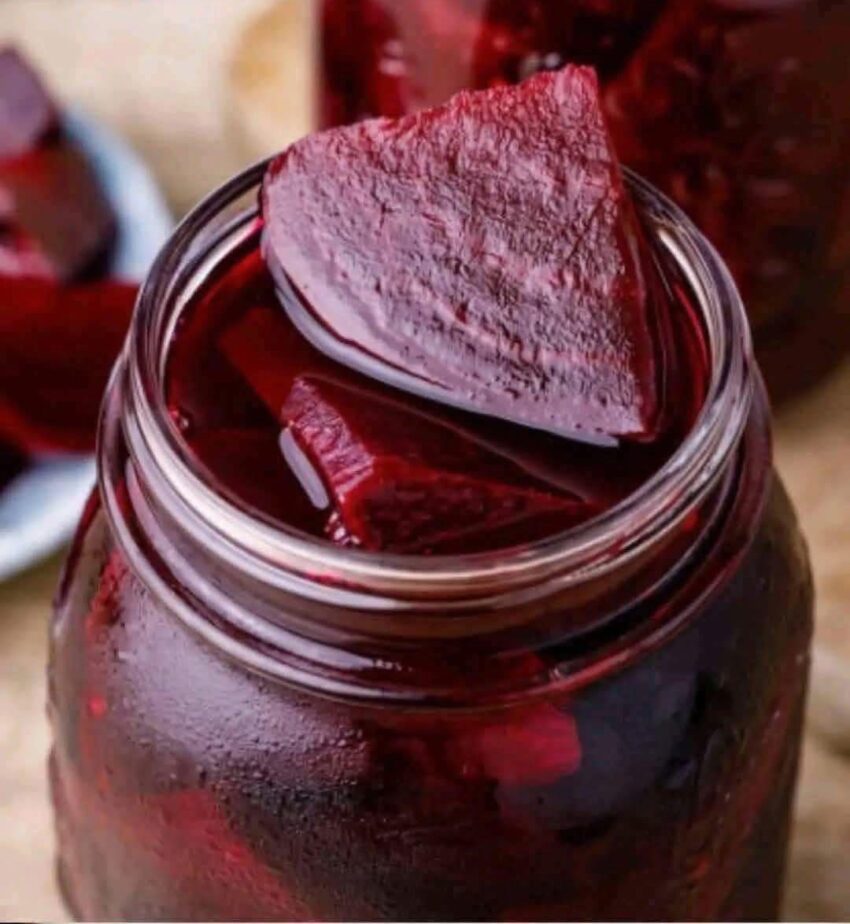
Learn how to make the best homemade Pickled Beets sweet, tangy, and full of flavor. This step-by-step recipe shows how to pickle fresh beets perfectly for salads, sandwiches, or snacking.
Pickled Beets Recipe (Sweet, Tangy & Easy Homemade Method)
Few foods capture the essence of homemade goodness quite like Pickled Beets. With their deep ruby-red color, earthy sweetness, and tangy vinegar punch, pickled beets are both nutritious and incredibly versatile. They can be enjoyed as a side dish, salad topping, or even a snack right from the jar.
Beets are naturally rich in antioxidants, fiber, and essential minerals like iron and potassium. When pickled, they not only gain a longer shelf life but also develop a delightful balance of sweetness and acidity that makes them irresistibly addictive.
This easy homemade recipe walks you through how to make old-fashioned pickled beets using fresh, boiled beets and a simple vinegar brine. You don’t need any canning experience — just a few simple ingredients and jars!
By the end, you’ll have a batch of beautiful, jewel-toned pickled beets ready to enjoy for weeks.
Ingredients
For the Beets:
-
2 pounds (about 5–6 medium) fresh beets
-
Water (for boiling)
-
1 teaspoon salt
For the Pickling Brine:
-
1 cup apple cider vinegar (or white vinegar for sharper flavor)
-
1 cup water
-
½ cup granulated sugar (adjust for sweetness)
-
1 teaspoon salt
-
½ teaspoon whole black peppercorns
-
3 whole cloves (optional, for warm spice)
-
1 small cinnamon stick (optional)
-
1 bay leaf
Optional Flavor Add-Ins:
-
1 small onion, thinly sliced
-
½ teaspoon mustard seeds
-
½ teaspoon caraway seeds
-
Fresh dill sprigs
Step-by-Step Directions
Step 1: Prepare and Cook the Beets
-
Clean the beets:
Rinse the beets under running water and scrub gently to remove dirt. Trim off the beet greens, leaving about 1 inch of stems attached (this helps prevent color loss during boiling). -
Boil the beets:
Place them in a large pot and cover with water. Add salt and bring to a boil. Reduce heat to medium and simmer for 30–40 minutes, or until beets are tender when pierced with a fork. -
Cool and peel:
Drain and let the beets cool until they’re comfortable to handle. Use your fingers or a paper towel to rub off the skins — they should slip off easily. -
Slice or dice:
Cut the beets into slices, wedges, or cubes depending on how you like them. Uniform shapes pickle more evenly.
Step 2: Make the Pickling Brine
-
In a medium saucepan, combine:
-
Vinegar
-
Water
-
Sugar
-
Salt
-
Peppercorns
-
Cloves, cinnamon stick, and bay leaf (if using)
-
-
Bring to a gentle boil over medium heat, stirring until the sugar and salt dissolve.
-
Simmer for 2–3 minutes to let the spices infuse.
-
Remove from heat and discard large spices if desired.
Step 3: Pack the Jars
-
Place the sliced beets (and onion, if using) into sterilized glass jars.
-
Pour the hot brine over the beets, ensuring they are fully submerged.
-
Leave about ½ inch of headspace at the top of the jar.
-
Tap the jars gently to remove any air bubbles.
-
Seal tightly with clean lids.
Step 4: Let the Beets Pickle
-
For quick refrigerator pickles:
Let the jars cool to room temperature, then refrigerate for at least 24 hours before eating.
The flavor deepens over 2–3 days, and they stay fresh for up to 3 months in the fridge. -
For canning (long-term storage):
Process the sealed jars in a boiling water bath for 30 minutes, then let them cool completely before storing. Properly canned pickled beets can last up to 12 months.
Expert Tips for Perfect Pickled Beets
-
Choose young, firm beets:
Smaller beets are naturally sweeter and more tender than large, woody ones. -
Keep vinegar ratio safe:
Always maintain a 1:1 vinegar-to-water ratio for safe pickling and balanced flavor. -
Adjust sweetness:
If you prefer less sweetness, reduce the sugar to ⅓ cup. For a more old-fashioned “sweet pickle” flavor, increase to ¾ cup. -
Add onions for depth:
Sliced red or yellow onions add flavor complexity and a beautiful color contrast in the jar. -
Sterilize jars properly:
Wash jars and lids in hot soapy water and rinse well. Place them in boiling water or a 250°F (120°C) oven for 10 minutes to sterilize. -
Use non-reactive cookware:
Avoid aluminum pans — vinegar can react with metal and affect flavor and color. Use stainless steel or enamel-coated pots. -
Rest for best flavor:
While they’re good after 24 hours, the beets taste even better after a few days as the flavors fully develop.
Flavor Variations
-
Spicy Pickled Beets:
Add ½ teaspoon crushed red pepper flakes or a small chili pepper to the brine. -
Honey Pickled Beets:
Replace part of the sugar with 2 tablespoons of honey for a milder, floral sweetness. -
Dill Pickled Beets:
Add fresh dill and garlic cloves to each jar for a herby touch. -
Balsamic Pickled Beets:
Substitute half of the vinegar with balsamic vinegar for a deeper, slightly smoky flavor. -
Citrus Pickled Beets:
Add orange zest or lemon peel to the brine for brightness.
How to Serve Pickled Beets
Pickled beets are as versatile as they are beautiful! Here are some delicious ways to enjoy them:
-
In Salads:
Toss with arugula, goat cheese, and walnuts for a refreshing beet salad. -
With Sandwiches:
Add to burgers, grilled cheese, or roast beef sandwiches for a tangy contrast. -
As a Side Dish:
Serve alongside roasted meats, barbecue, or grilled fish. -
On Charcuterie Boards:
Their bright color and sweet-tart flavor complement cheeses and cured meats perfectly. -
With Eggs:
Try them with hard-boiled eggs for a classic old-fashioned combination.
Storage and Shelf Life
-
Refrigerator Pickles:
Keep in the fridge for up to 12 weeks. Always use a clean spoon or fork to remove beets — never fingers! -
Canned Pickled Beets:
Store in a cool, dark pantry for up to 1 year. Once opened, refrigerate and consume within 2 weeks. -
Freezing Tip:
You can freeze cooked beets (before pickling) for up to 3 months. Thaw before pickling.
Frequently Asked Questions (FAQs)
1. Do I have to peel the beets before pickling?
Yes — the skins can be tough and earthy. After boiling, they’ll slip off easily with your fingers or a towel.
2. Can I use canned beets instead of fresh ones?
Absolutely! Drain and rinse canned beets, then pour the hot pickling brine over them. They’ll be ready to eat within 24 hours.
3. What vinegar is best for pickling beets?
Apple cider vinegar gives a mellow, slightly sweet flavor, while white vinegar creates a sharper, classic taste.
4. My pickled beets lost color what happened?
If overboiled or peeled before cooking, some color may leach into the water. Boil with skins on and peel afterward for best color retention.
5. Can I reuse the brine?
For food safety, it’s not recommended. The brine loses acidity after use — always make a fresh batch for new beets.
Health Benefits of Pickled Beets
-
Rich in Nutrients: Beets are packed with iron, potassium, and folate.
-
Supports Digestion: The vinegar in pickled beets aids gut health and digestion.
-
Boosts Energy: Beets naturally improve blood flow, enhancing stamina and focus.
-
Antioxidant Power: The deep red color comes from betalains, known for fighting inflammation.
Pro Tip: Quick Pickled Beets in Under 1 Hour!
If you’re short on time, make quick refrigerator pickled beets:
-
Use pre-cooked or canned beets.
-
Heat vinegar, sugar, and salt until dissolved.
-
Pour over beets in a jar and refrigerate for 1 hour.
They won’t last as long as traditional pickled beets but taste amazing the same day!
Pairing Ideas
Pickled beets pair beautifully with:
-
Goat cheese crostini
-
Grilled salmon or steak
-
Roasted root vegetables
-
Smoked meats or sausages
-
Cheese boards and crackers
Final Thoughts
Homemade Pickled Beets are one of those timeless kitchen treasures simple, colorful, and bursting with flavor. With just a few pantry staples, you can transform humble beets into a gourmet condiment that brightens up any meal.
Whether you enjoy them as a snack, a salad topping, or a side to your favorite roast, pickled beets deliver a satisfying balance of sweet, earthy, and tangy goodness in every bite.
Once you try this easy, foolproof recipe, you’ll never go back to store-bought jars again.