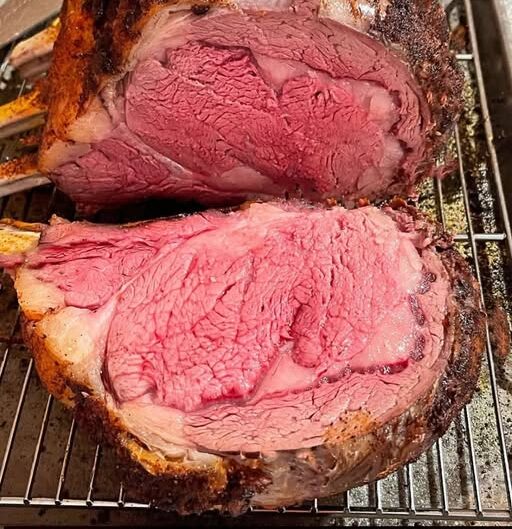
This comprehensive guide will walk you through everything you need to know—from choosing the right cut of beef to seasoning, cooking methods, temperatures, carving techniques, mistakes to avoid, and expert tips that guarantee restaurant-quality results at home.
This is not just a recipe; it’s a complete prime rib masterclass.
What Is Prime Rib Roast?
Prime Rib Roast, also known as Standing Rib Roast, comes from the rib section of the cow. Despite the name, it does not need to be USDA Prime grade—though prime grade offers superior marbling. What truly makes prime rib special is:
-
Rich intramuscular fat (marbling)
-
Exceptional tenderness
-
Deep beefy flavor
-
Ability to stay juicy even when cooked to medium-rare
Prime rib can be bone-in or boneless, and both versions deliver outstanding results when prepared correctly.
Why This Is the BEST Prime Rib Roast Recipe
This recipe stands out because it:
-
Uses simple, classic seasoning to enhance natural beef flavor
-
Focuses on proper temperature control
-
Includes multiple cooking methods
-
Avoids common mistakes that ruin prime rib
-
Works for home ovens without special equipment
-
Produces a perfect crust with a tender, juicy center
Choosing the Right Prime Rib Cut
Bone-In vs Boneless Prime Rib
Bone-In Prime Rib
-
More flavor due to bones
-
Better heat insulation
-
Traditional presentation
-
Slightly longer cooking time
Boneless Prime Rib
-
Easier to carve
-
Faster cooking
-
Still extremely tender
-
Ideal for beginners
👉 For best flavor and presentation, bone-in is recommended.
Prime Rib Grades Explained
-
USDA Prime – Highest quality, most marbling, expensive
-
USDA Choice – Excellent quality, great value (recommended)
-
USDA Select – Leaner, less juicy (not ideal)
💡 USDA Choice prime rib delivers excellent results for home cooks.
How Much Prime Rib Per Person?
-
Bone-In: 1 pound per person
-
Boneless: ¾ pound per person
Example:
-
6 people → 6–7 lb bone-in roast
-
6 people → 4.5–5 lb boneless roast
Ingredients for BEST Prime Rib Roast
Main Ingredients
-
1 prime rib roast (5–7 lb bone-in or boneless)
-
2 tablespoons olive oil or softened butter
Seasoning Blend
-
2 tablespoons kosher salt
-
1 tablespoon freshly ground black pepper
-
1 tablespoon garlic powder
-
1 tablespoon fresh rosemary (chopped)
-
1 tablespoon fresh thyme (chopped)
-
1 teaspoon onion powder
Optional Flavor Boosters
-
6–8 garlic cloves (whole or smashed)
-
Fresh rosemary sprigs
-
Beef drippings for au jus
Step-by-Step Directions (Foolproof Method)
Step 1: Bring the Prime Rib to Room Temperature
Remove the roast from the refrigerator 2–3 hours before cooking.
Why this matters:
-
Ensures even cooking
-
Prevents overcooked edges
-
Helps achieve perfect doneness
🚫 Never cook prime rib straight from the fridge.
Step 2: Preheat the Oven
-
Preheat oven to 450°F (232°C)
-
Position oven rack in the center
This high heat will create a beautiful crust.
Step 3: Season the Prime Rib
-
Pat the roast dry with paper towels
-
Rub with olive oil or butter
-
Generously coat all sides with seasoning mix
-
Press seasoning firmly into the meat
💡 Do not be shy with salt—it forms the crust and enhances flavor.
Step 4: Place the Roast in the Pan
-
Place roast fat-side up on a roasting rack
-
Bones should face downward if bone-in
-
Insert a meat thermometer into the thickest part
Step 5: High-Heat Roast (Crust Formation)
-
Roast at 450°F for 20 minutes
This step seals in juices and creates a golden crust.
Step 6: Lower Temperature and Slow Roast
Reduce oven temperature to 325°F (163°C) and continue roasting.
Cooking Time Guide
-
Rare: 120°F (49°C)
-
Medium-Rare: 130°F (54°C)
-
Medium: 140°F (60°C)
⏱ Approximate time: 15–17 minutes per pound
Step 7: Rest the Roast (MOST IMPORTANT STEP)
Remove roast from oven and tent loosely with foil.
Rest for 30 minutes.
Why resting is crucial:
-
Redistributes juices
-
Prevents dryness
-
Improves texture
🔥 Temperature will rise 5–10°F during resting.
Alternative Cooking Methods
Reverse Sear Method (Chef Favorite)
-
Roast at 250°F until internal temp reaches 120°F
-
Rest for 20 minutes
-
Blast at 500°F for 10 minutes
✔ Maximum juiciness
✔ Perfect edge-to-edge doneness
Prime Rib on Grill
-
Use indirect heat
-
Maintain 300°F
-
Finish with direct heat sear
How to Make Prime Rib Au Jus
Ingredients
-
Beef drippings
-
2 cups beef broth
-
1 teaspoon Worcestershire sauce
-
Salt & pepper
Directions
-
Skim excess fat from drippings
-
Add broth and simmer
-
Season to taste
How to Carve Prime Rib Properly
-
Remove bones (if bone-in)
-
Slice against the grain
-
Cut ½-inch thick slices
🔪 Use a sharp carving knife.
Best Side Dishes for Prime Rib
-
Garlic mashed potatoes
-
Roasted vegetables
-
Yorkshire pudding
-
Creamed spinach
-
Green beans almondine
-
Horseradish sauce
Common Prime Rib Mistakes (Avoid These!)
❌ Cooking straight from fridge
❌ Overcooking past medium
❌ Skipping resting time
❌ Using low heat only
❌ Under-seasoning
Storage and Reheating Tips
Storage
-
Refrigerate leftovers up to 4 days
-
Wrap tightly to prevent drying
Reheating
-
Low oven (250°F)
-
Add broth to pan
-
Cover with foil
🚫 Avoid microwaving—it ruins texture.
Frequently Asked Questions (FAQs)
Is prime rib the same as ribeye?
Yes, ribeye steaks are cut from the prime rib roast.
Can I cook prime rib well-done?
Technically yes, but it will lose tenderness and juiciness.
Do I need to marinate prime rib?
No. High-quality beef needs simple seasoning only.
Nutritional Information (Approximate)
-
Calories: 550 per serving
-
Protein: High
-
Fat: Moderate-high
-
Carbohydrates: Minimal
Expert Tips for Restaurant-Quality Prime Rib
-
Use a meat thermometer
-
Season at least 24 hours ahead for dry brining
-
Always rest before slicing
-
Buy quality beef—it matters
Final Thoughts
This BEST Prime Rib Roast recipe is the ultimate guide for anyone who wants to cook a flawless, juicy, tender, and flavorful prime rib at home. Whether you’re a beginner or an experienced cook, following these steps will guarantee a show-stopping roast that impresses every time.
