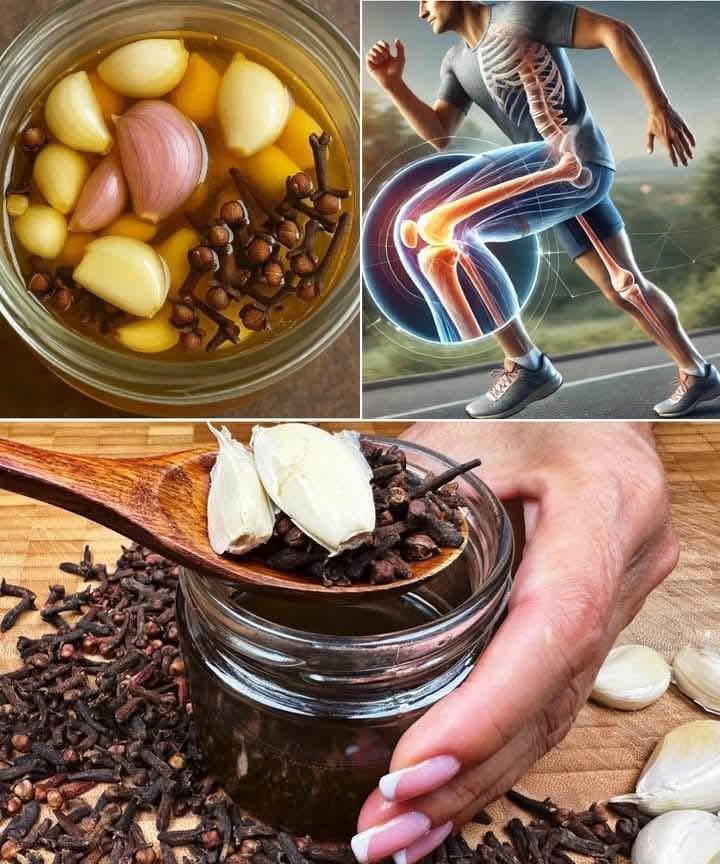
Leg pain is a common problem, especially among older adults, but when it becomes severe enough to prevent walking, it deeply affects daily life. Many mothers and elderly women silently suffer from conditions such as rheumatism, varicose veins, and arthritis, which gradually weaken mobility and independence. These conditions often develop over years and may worsen if ignored or untreated.
Leg Pain, Rheumatism, Varicose Veins, and Arthritis: When Pain Stops a Mother from Walking
Understanding Leg Pain
Leg pain can range from mild discomfort to intense, disabling pain. It may be caused by muscle fatigue, nerve problems, poor blood circulation, or joint diseases. In older women, leg pain is often linked to chronic conditions that affect bones, joints, muscles, or veins. Pain that persists, increases with movement, or causes stiffness is a sign that something deeper may be wrong.
Rheumatism and Its Impact
Rheumatism is a general term used to describe pain and inflammation in the muscles, joints, and connective tissues. It commonly affects the knees, hips, ankles, and lower back. In cold or damp weather, rheumatic pain often becomes worse, causing stiffness, swelling, and difficulty in movement. Over time, untreated rheumatism can reduce flexibility and strength, making walking extremely painful or even impossible.
Varicose Veins and Circulation Problems
Varicose veins occur when veins become enlarged, twisted, and visible, usually in the legs. This condition is caused by weak or damaged valves in the veins, leading to poor blood circulation. Symptoms include aching pain, heaviness, burning sensations, swelling, and cramps, especially after standing or walking for long periods. In severe cases, varicose veins can cause chronic leg pain and fatigue, discouraging movement and increasing the risk of further complications.
Arthritis: A Leading Cause of Walking Difficulty
Arthritis is one of the most common reasons elderly women struggle to walk. It is a condition that causes inflammation of the joints, leading to pain, stiffness, swelling, and reduced range of motion. Osteoarthritis, the most common type, occurs due to wear and tear of joint cartilage over time. When arthritis affects the knees or hips, even simple activities like standing, walking, or climbing stairs become extremely painful. Morning stiffness and pain after activity are typical symptoms.
Emotional and Daily Life Effects
When a mother cannot walk due to pain, the impact goes beyond physical health. Loss of mobility can lead to emotional distress, frustration, anxiety, and even depression. Dependence on others for basic tasks affects confidence and self-esteem. Household responsibilities, social interactions, and spiritual activities may also become limited, reducing overall quality of life.
Management and Relief Options
Although these conditions are chronic, proper care can significantly reduce pain and improve mobility. Medical consultation is essential to identify the exact cause. Treatment options may include pain-relief medications, anti-inflammatory drugs, physical therapy, and supportive devices like compression stockings or knee braces. Gentle exercises, stretching, and physiotherapy help strengthen muscles and maintain joint flexibility.
Lifestyle changes also play a key role. Maintaining a healthy weight reduces pressure on joints and veins. Elevating legs, avoiding prolonged standing, and using warm compresses can help relieve discomfort. A balanced diet rich in calcium, vitamin D, and anti-inflammatory foods supports bone and joint health.
Conclusion
Leg pain caused by rheumatism, varicose veins, and arthritis can gradually take away a mother’s ability to walk, affecting her independence and happiness. Early attention, proper medical care, emotional support, and lifestyle adjustments can make a meaningful difference. With the right approach, pain can be managed, mobility can improve, and quality of life can be restored.